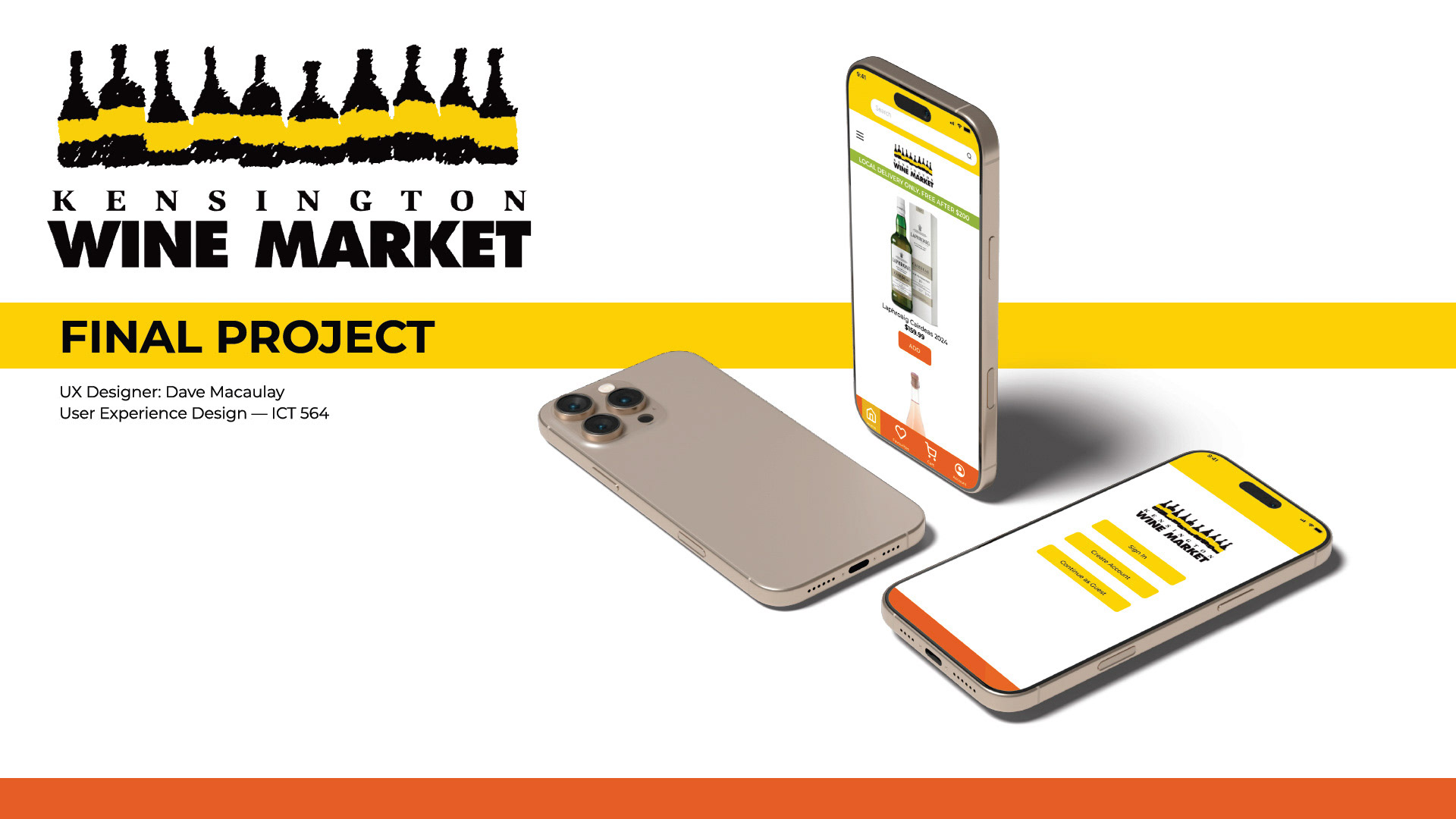
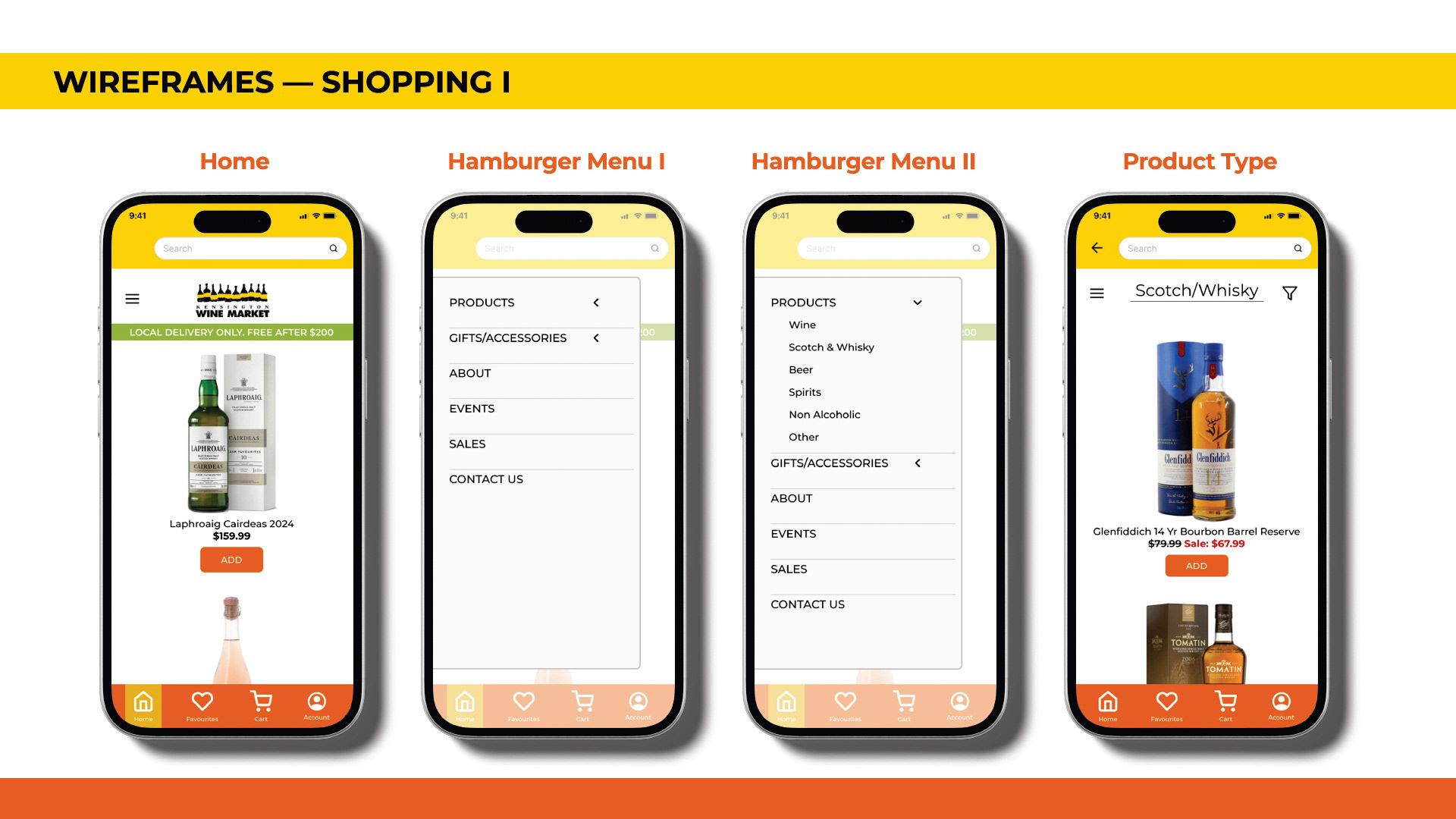
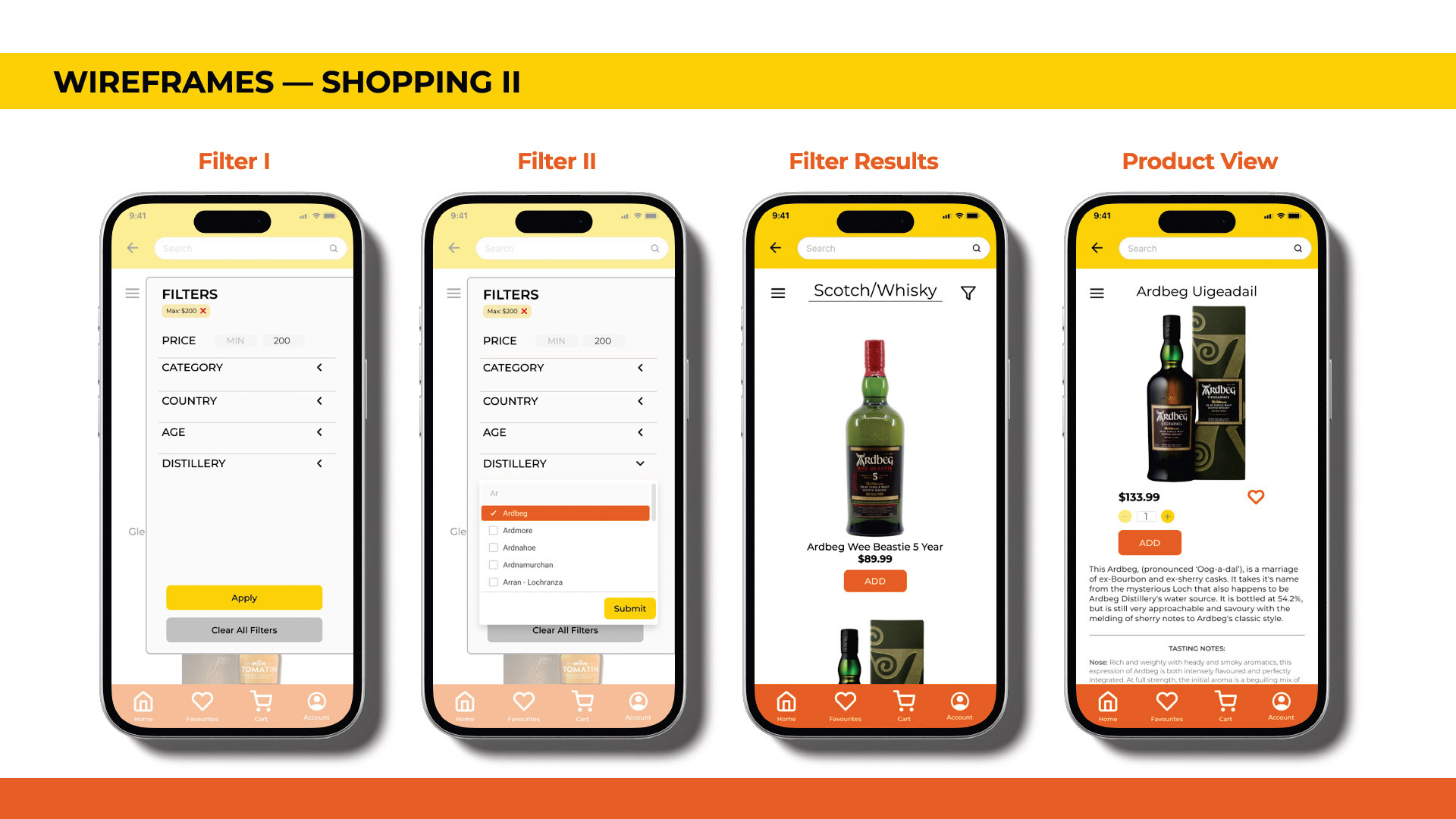
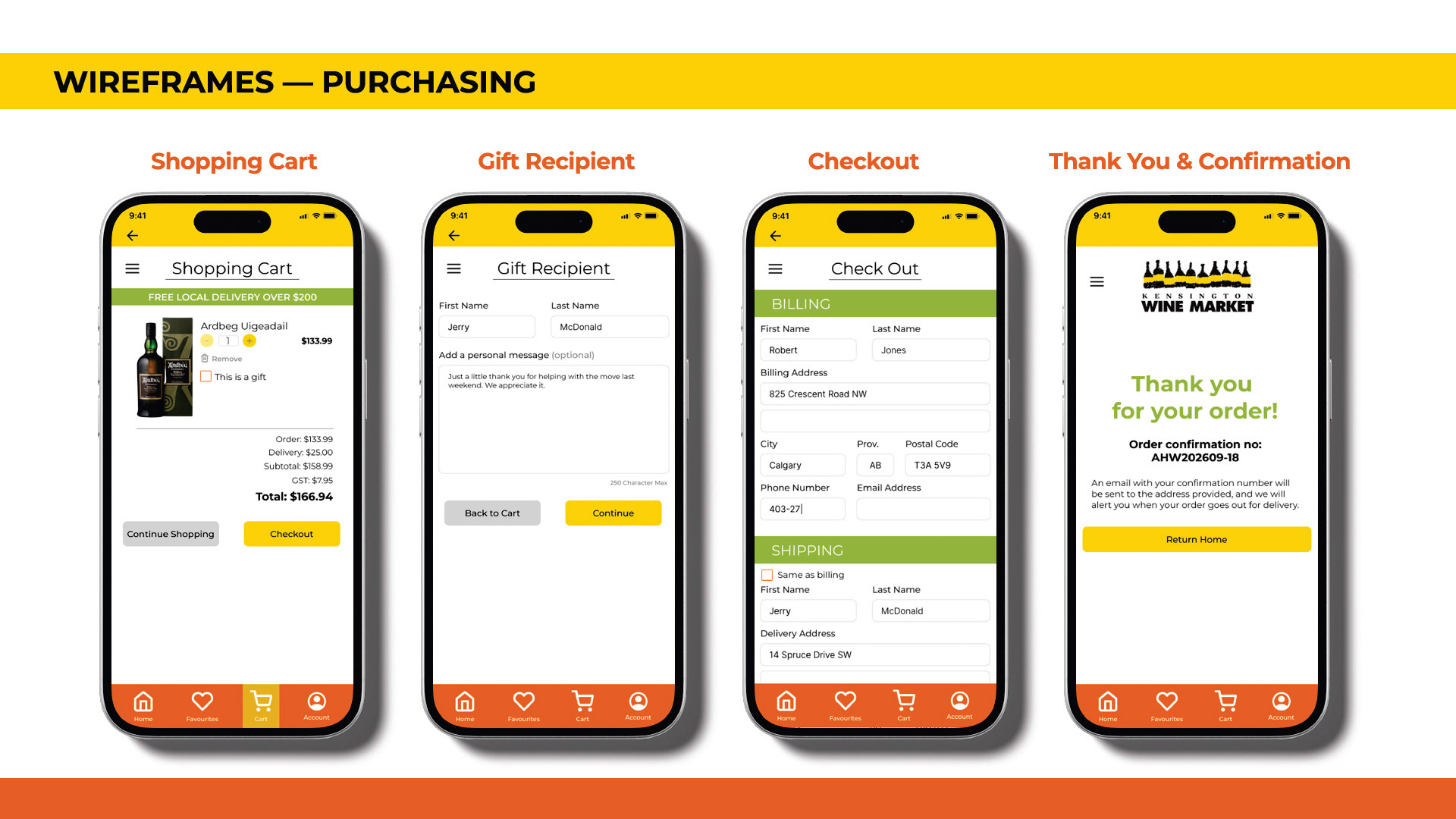
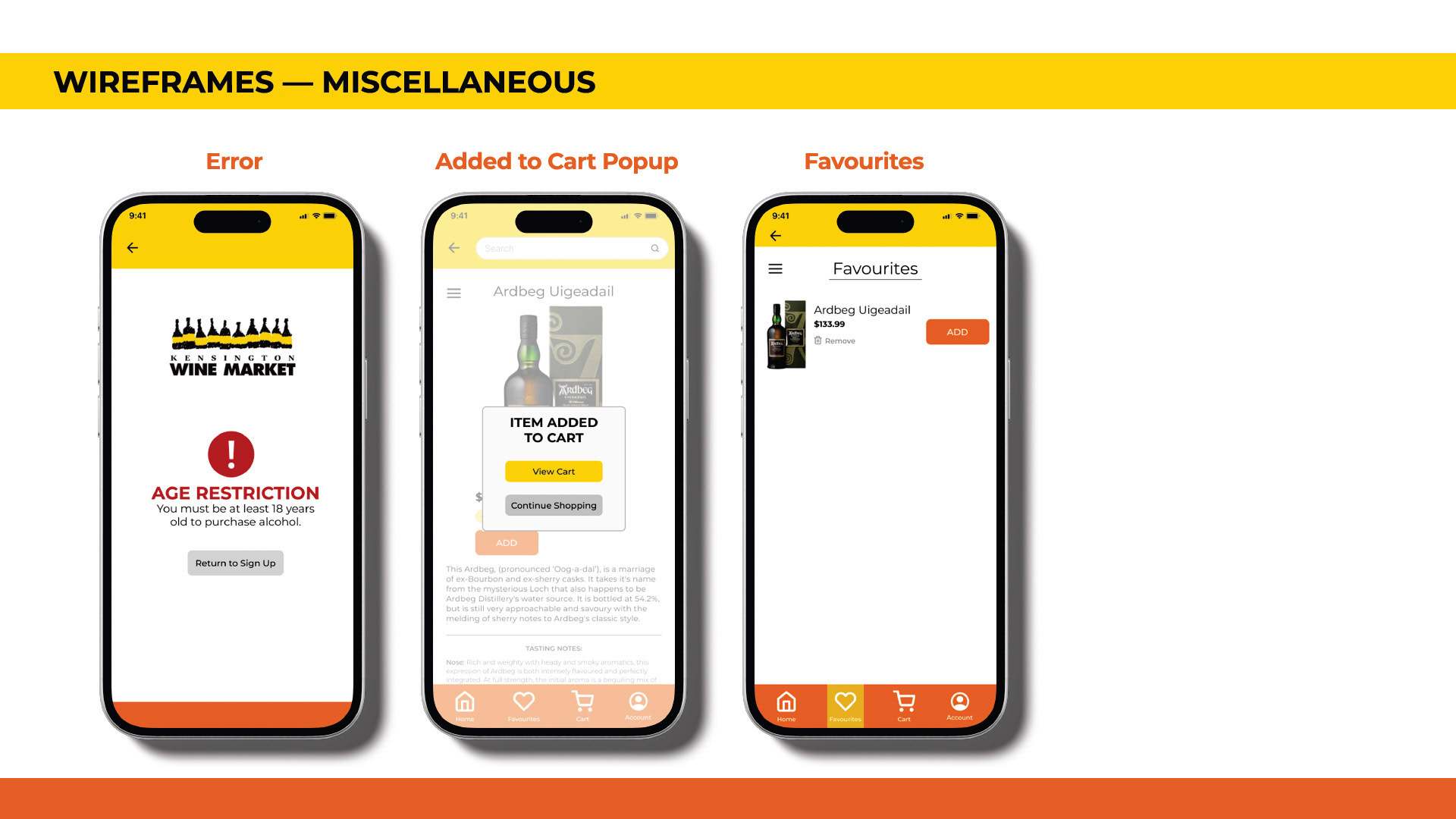
In the spring of 2026, I enrolled in a User Experience Design course at the University of Calgary. The course tasked students with identifying a real website with meaningful UX flaws and designing a solution in the form of a mobile app, taking the project from research through to a fully interactive prototype.
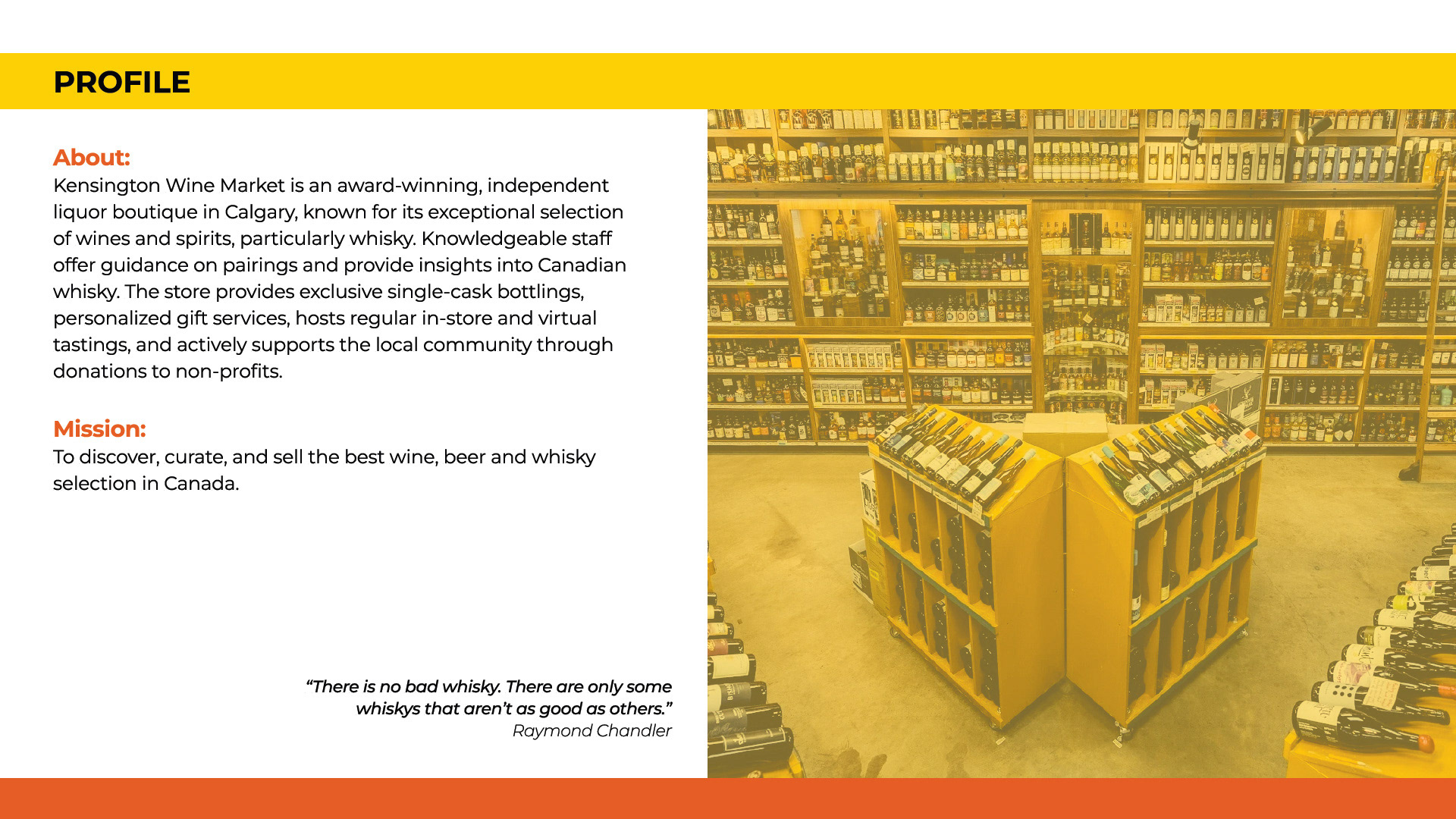
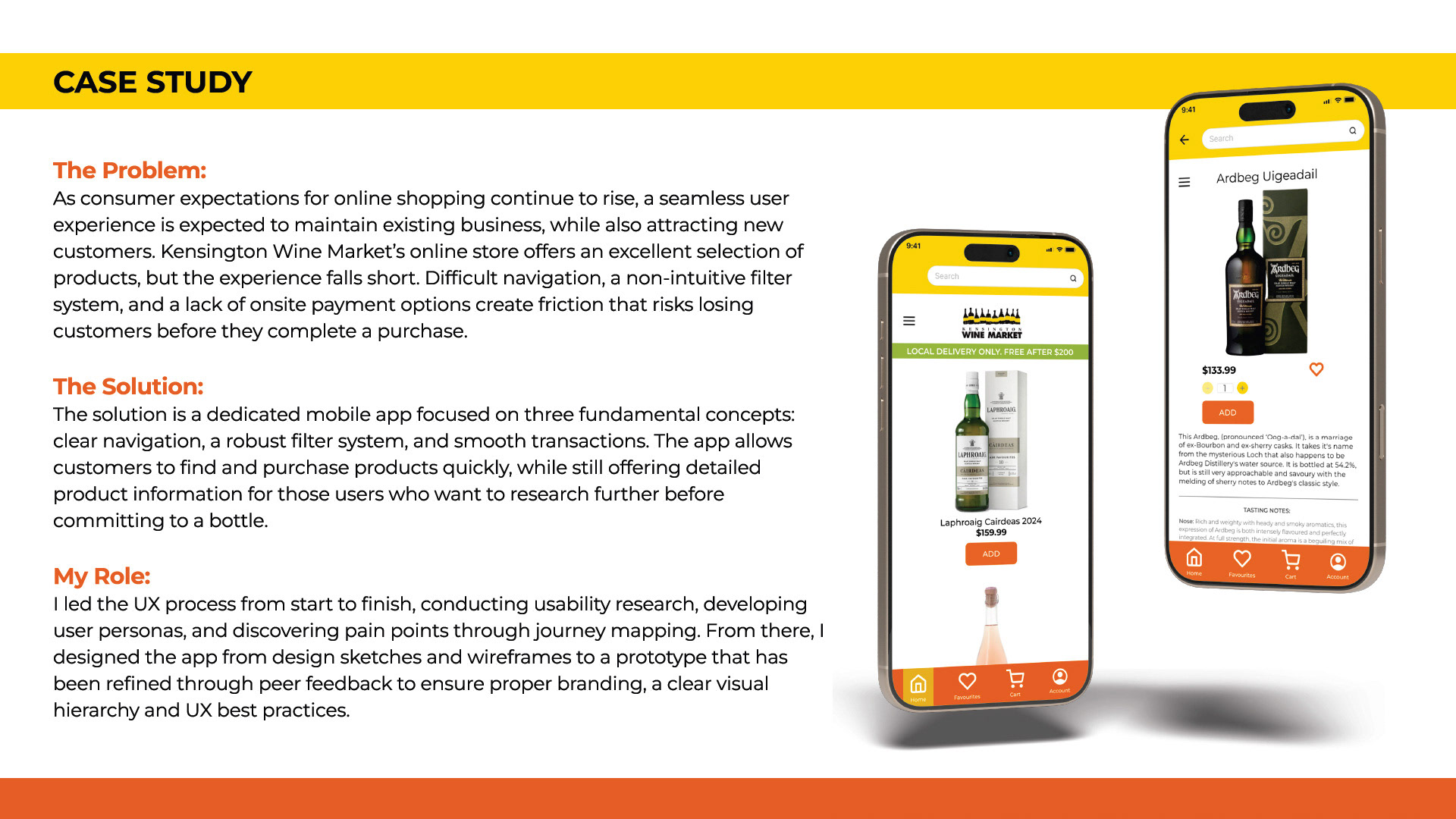
I chose Kensington Wine Market, an award-winning independent liquor boutique here in Calgary. Their existing online store carries an impressive selection, but the experience works against it; a confusing navigation structure, a tedious and non-intuitive filtering system, and a checkout process that redirects users to a third-party payment site create friction at nearly every stage. The solution I proposed was a dedicated mobile app built around three fundamentals: clear navigation, a robust and searchable filter system, and a seamless on-site transaction experience.
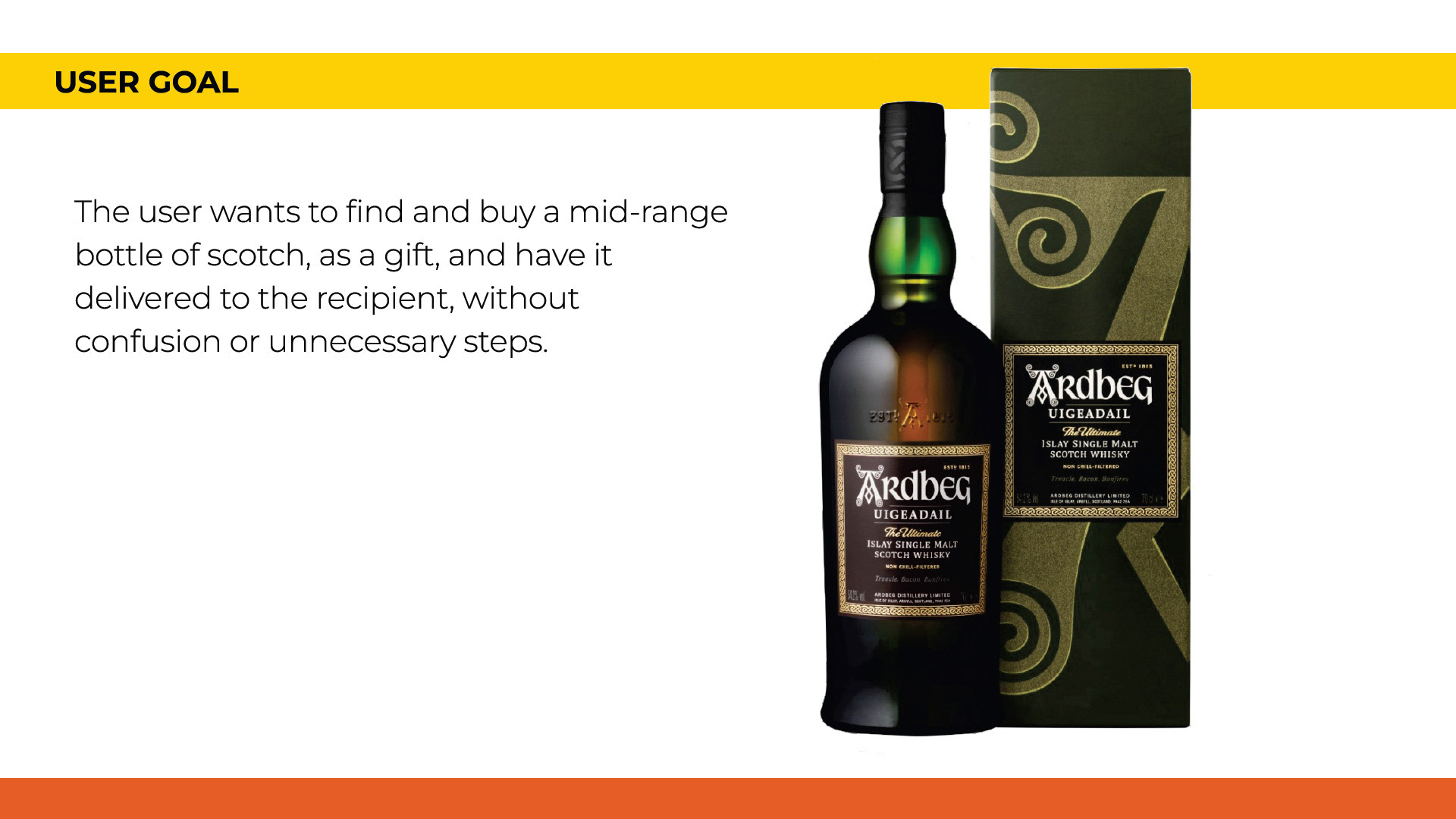
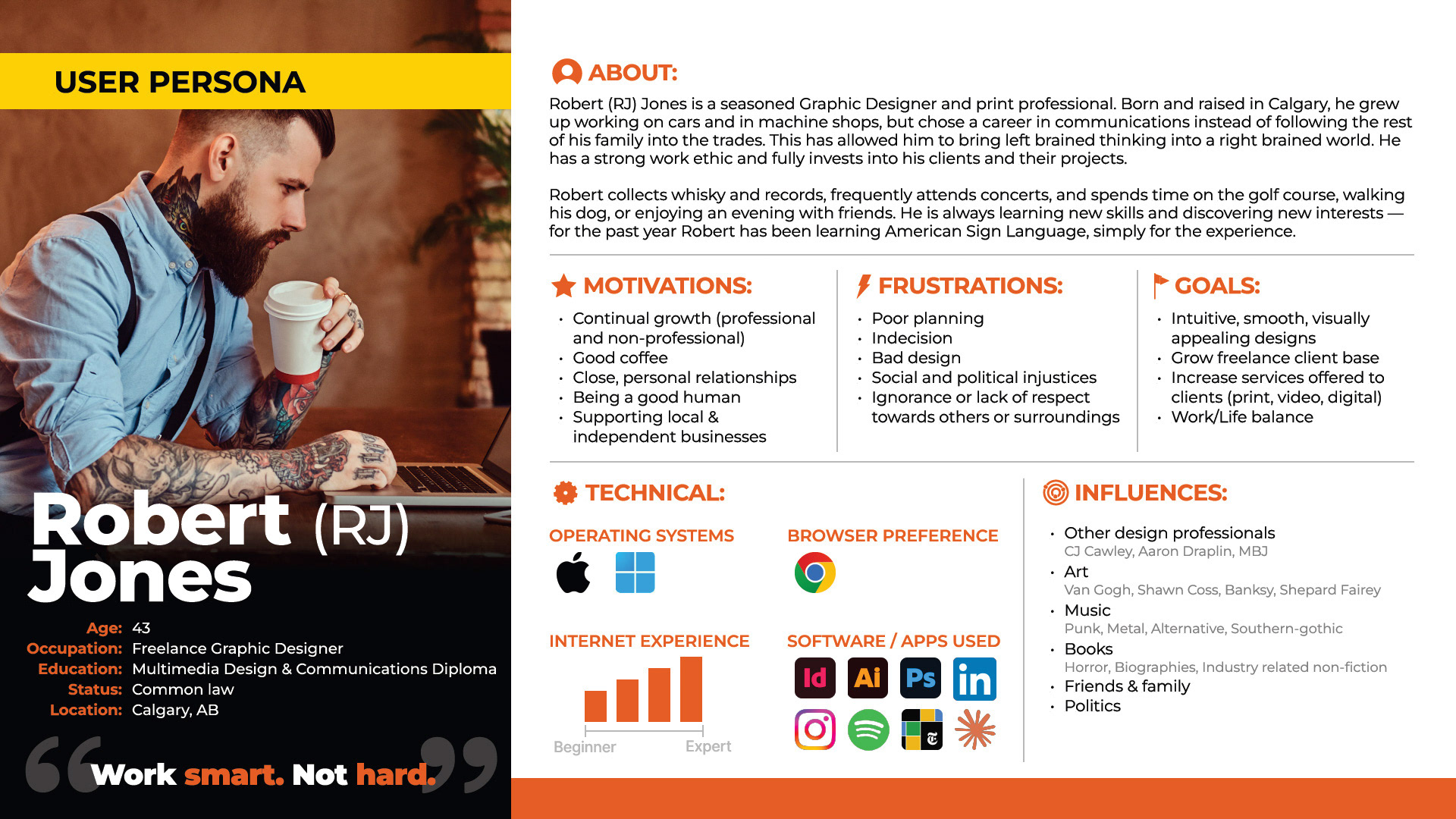
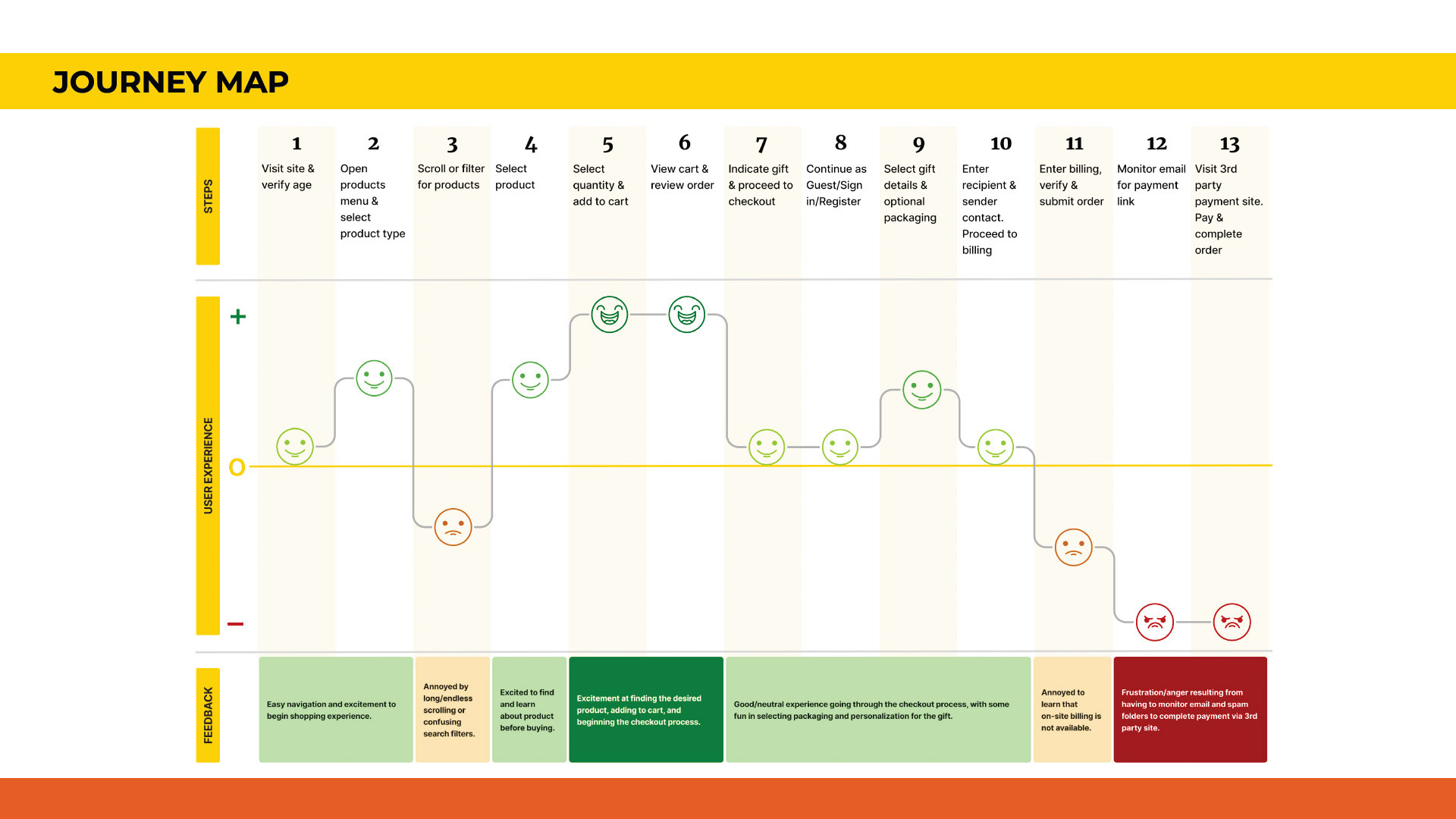
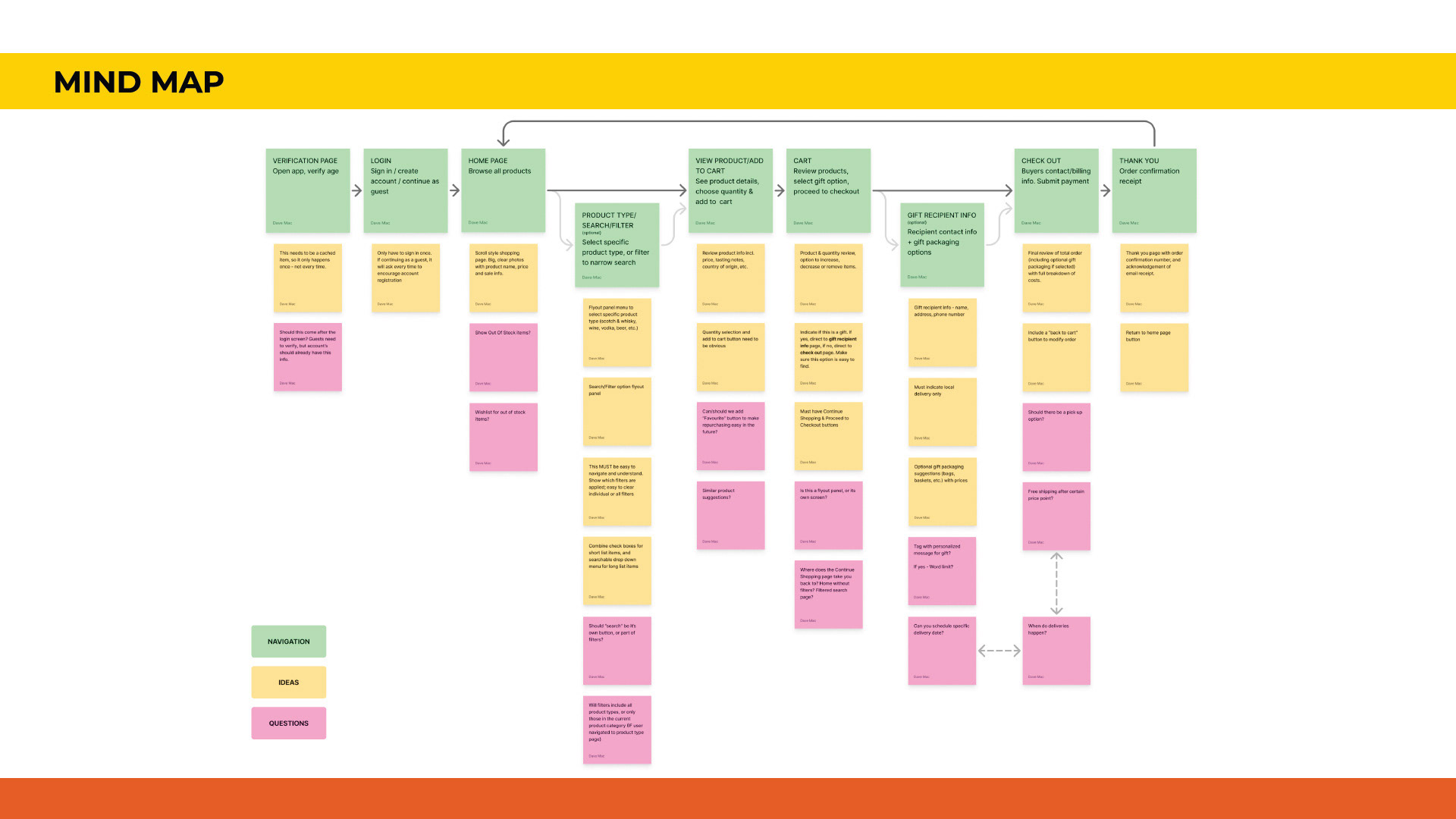
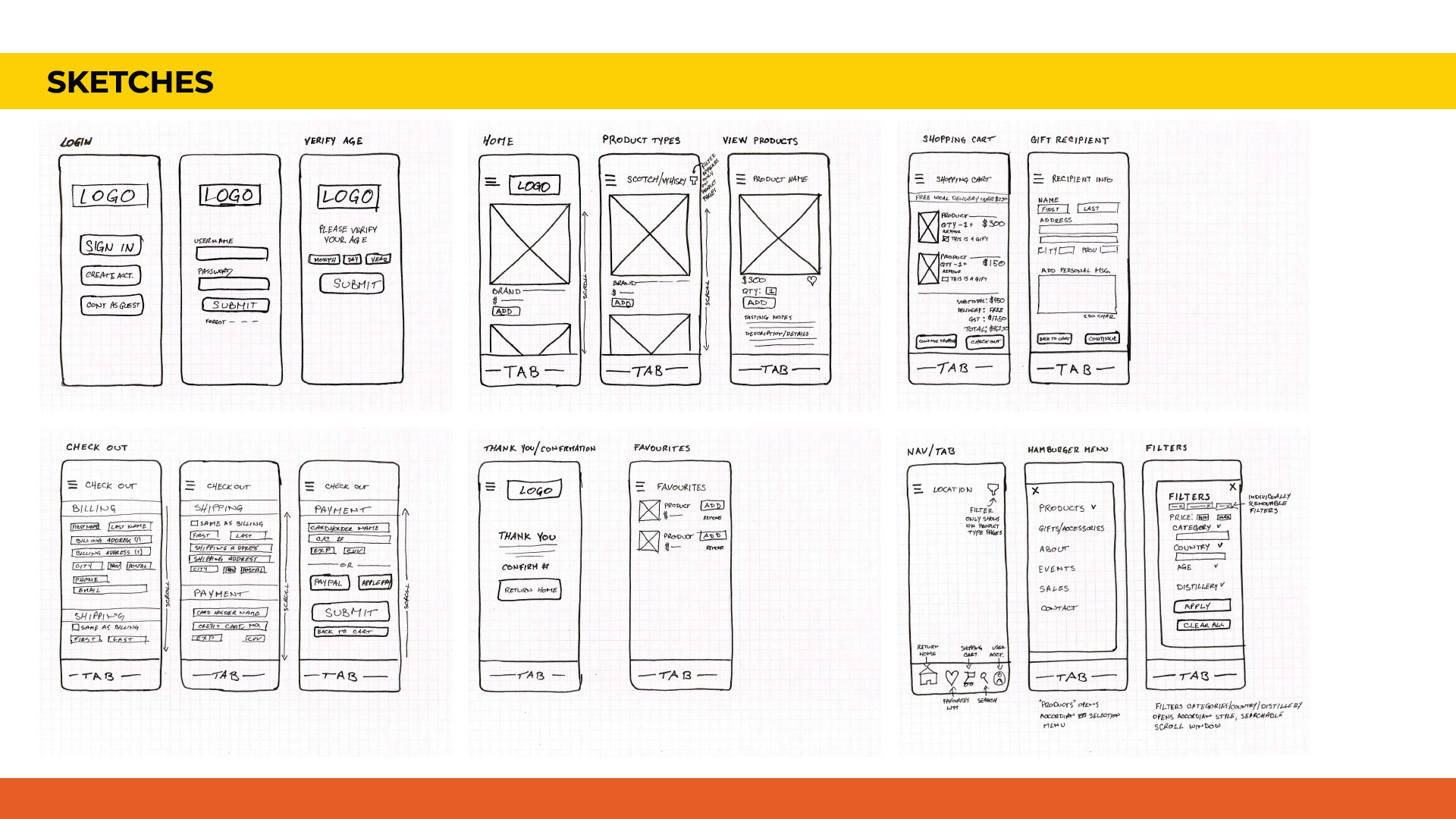
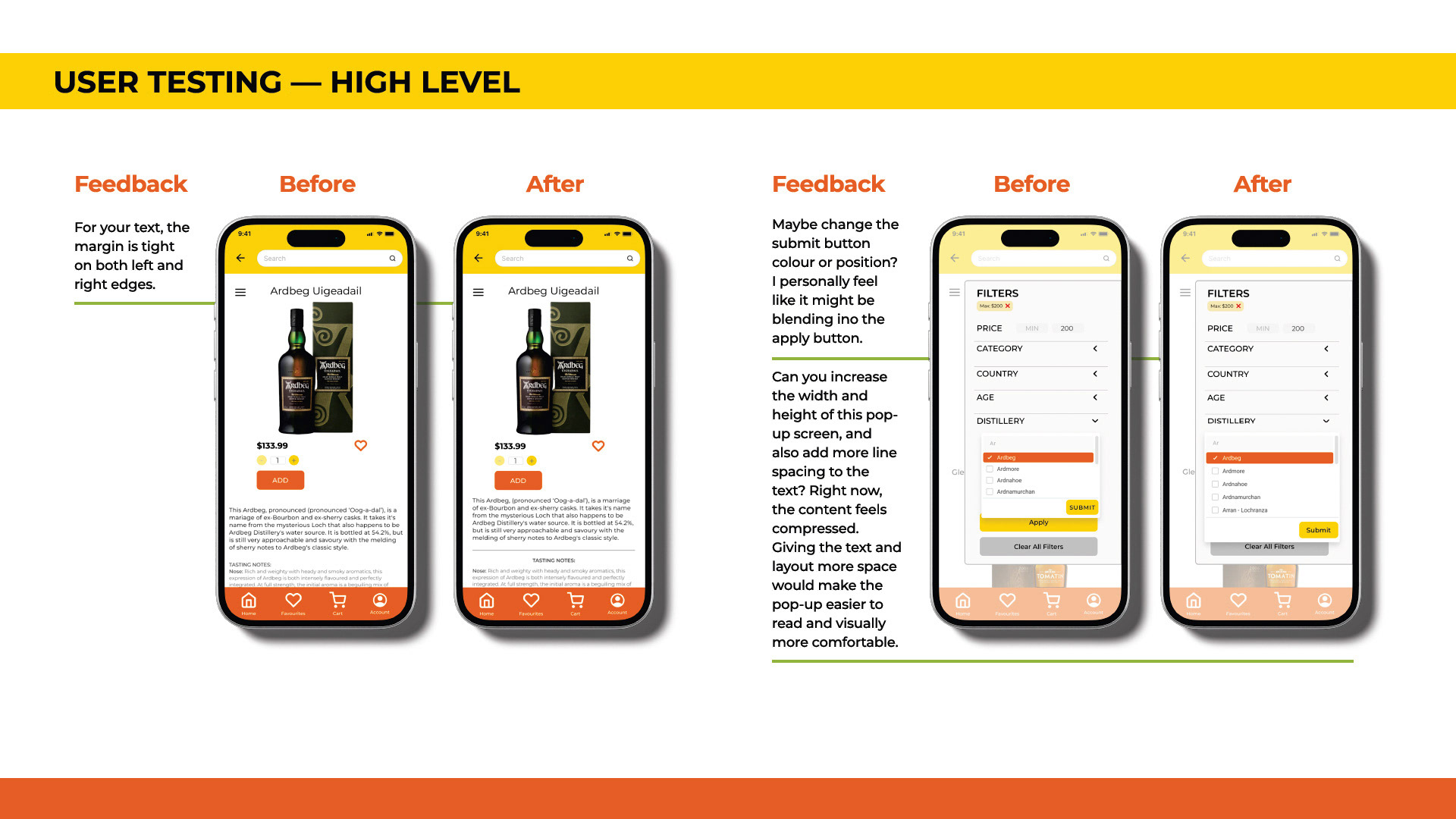
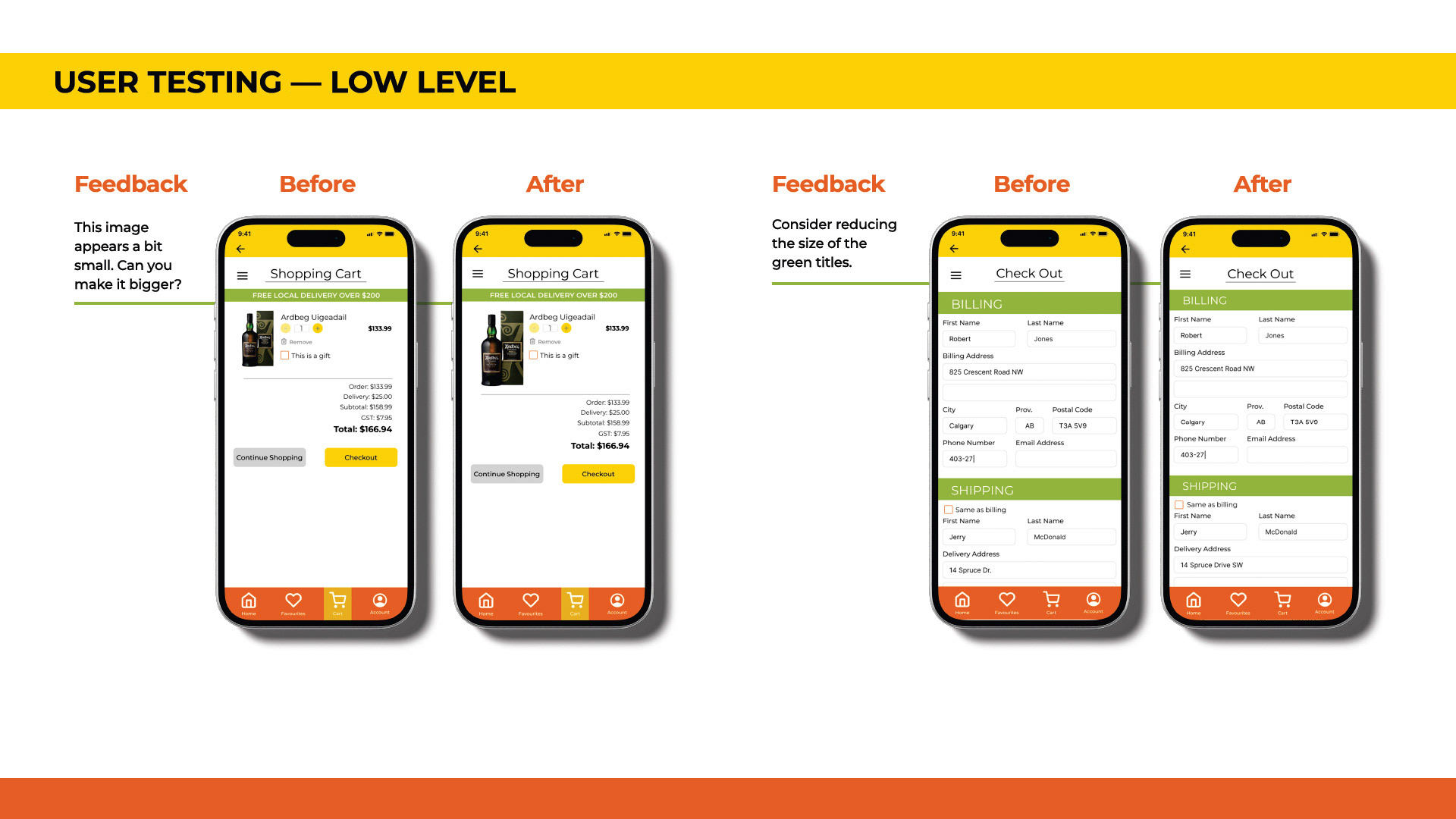
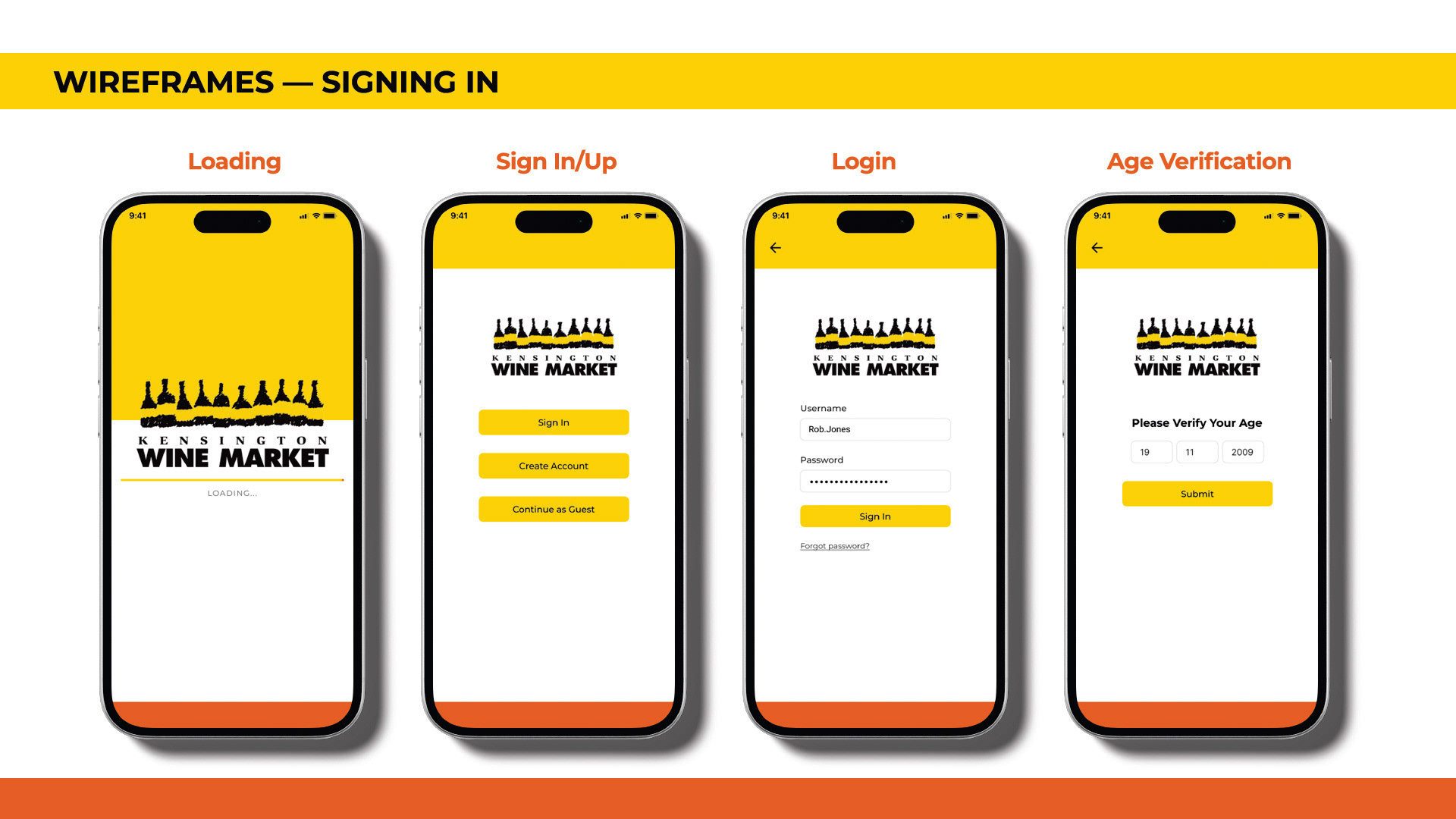
The process was more involved than I anticipated. Before a single screen was designed, I developed a detailed user persona, built a 13-step user journey map tracking emotional highs and lows across the full shopping experience, and completed a thorough scenario map to define every screen and interaction the app would require. From there, I moved through hand-drawn sketches, two rounds of user testing with classmates and the instructor, and iterative revisions before producing the final high-fidelity wireframes in Figma. The finished prototype was fully interactive, allowing me to click through the complete user task live during my final presentation to the class.
The biggest challenge was expanding how I think about design. After 18 years working in print and digital, my instincts are visual, but UX demanded I think equally hard about how elements behave under interaction, and how decisions made early in the process ripple forward through the entire experience. The depth of the foundational methodology, personas, journey mapping, scenario planning, was something I hadn't anticipated, and working through it gave me a genuine appreciation for how much thinking happens before any design work begins.
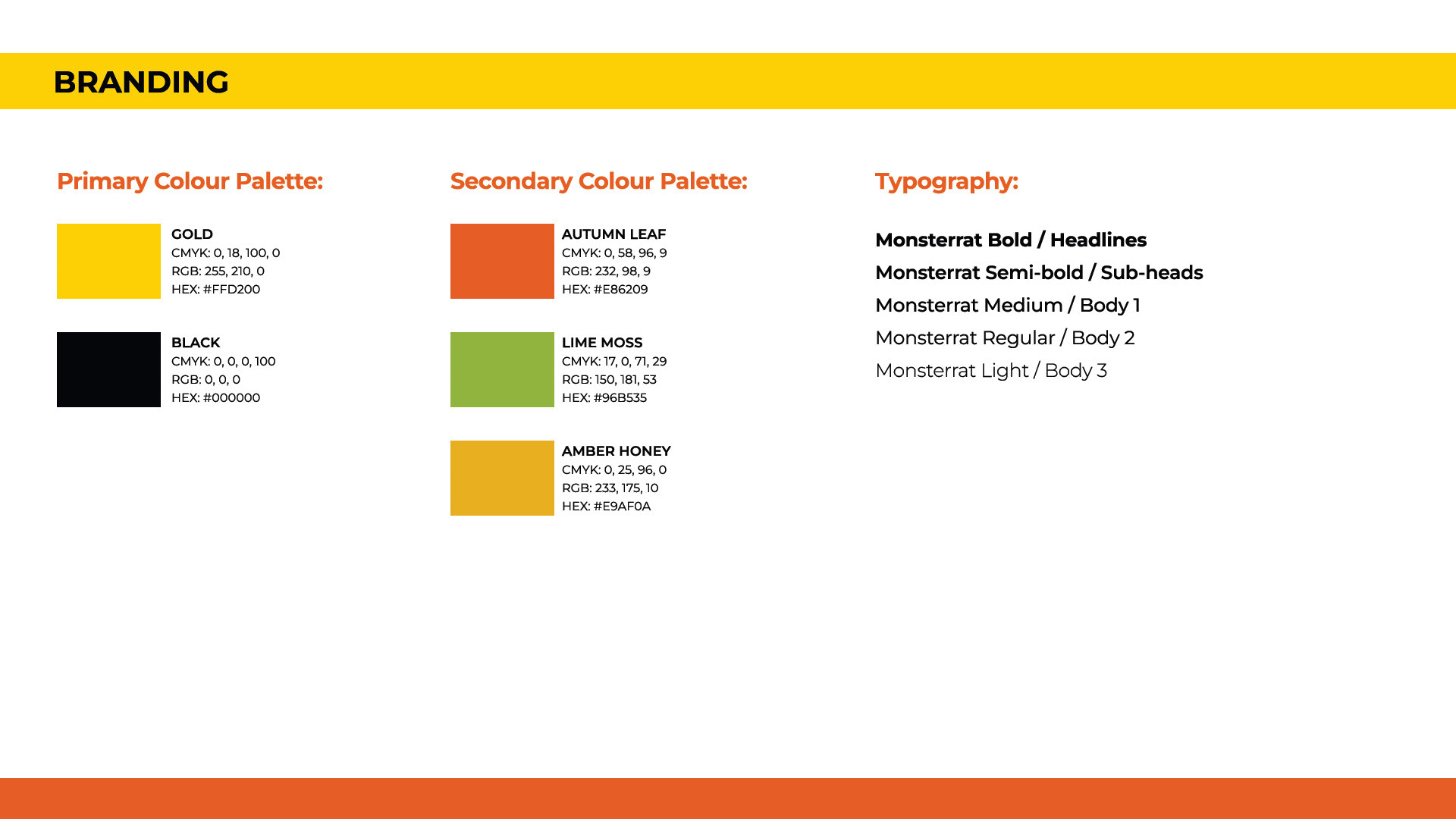
The project received an A+, with instructor feedback noting strong effort, creativity, and a clear understanding of user goals, visual design, branding, and overall user experience.
DISCLAIMER: All brand assets, logos, and photography used in this project belong to their respective owners. This is a student project created for educational purposes only and is not affiliated with or endorsed by Kensington Wine Market. No commercial use is intended or implied.